


Thank You, Jesus, for Desegregating the Deep South!
July 16, 2026
Read More
.png)
There’s something about small-town American summers that feels frozen in time. Blistering hot pavement hums beneath bicycle tires. Sunsets stretch later in the evening. Kids play cops and robbers until front porch lights turn on. Mother’s dinner bell clings to summon the children home.
So it was for the five Sullivan brothers of Waterloo, Iowa. Little did they or their parents know that the seeds they planted those summers would become lore.
Neighbors well recall seeing all five boys piled onto a single bicycle—at the same time no less— laughing as they wobbled down the street together. In the backyard, they built their own boxing ring, where the brothers sparred for fun, settled arguments, and toughened one another up. They were loud, competitive, fiercely loyal, and nearly inseparable. Where you found one Sullivan brother, the others were not far behind.
Then the war came calling.
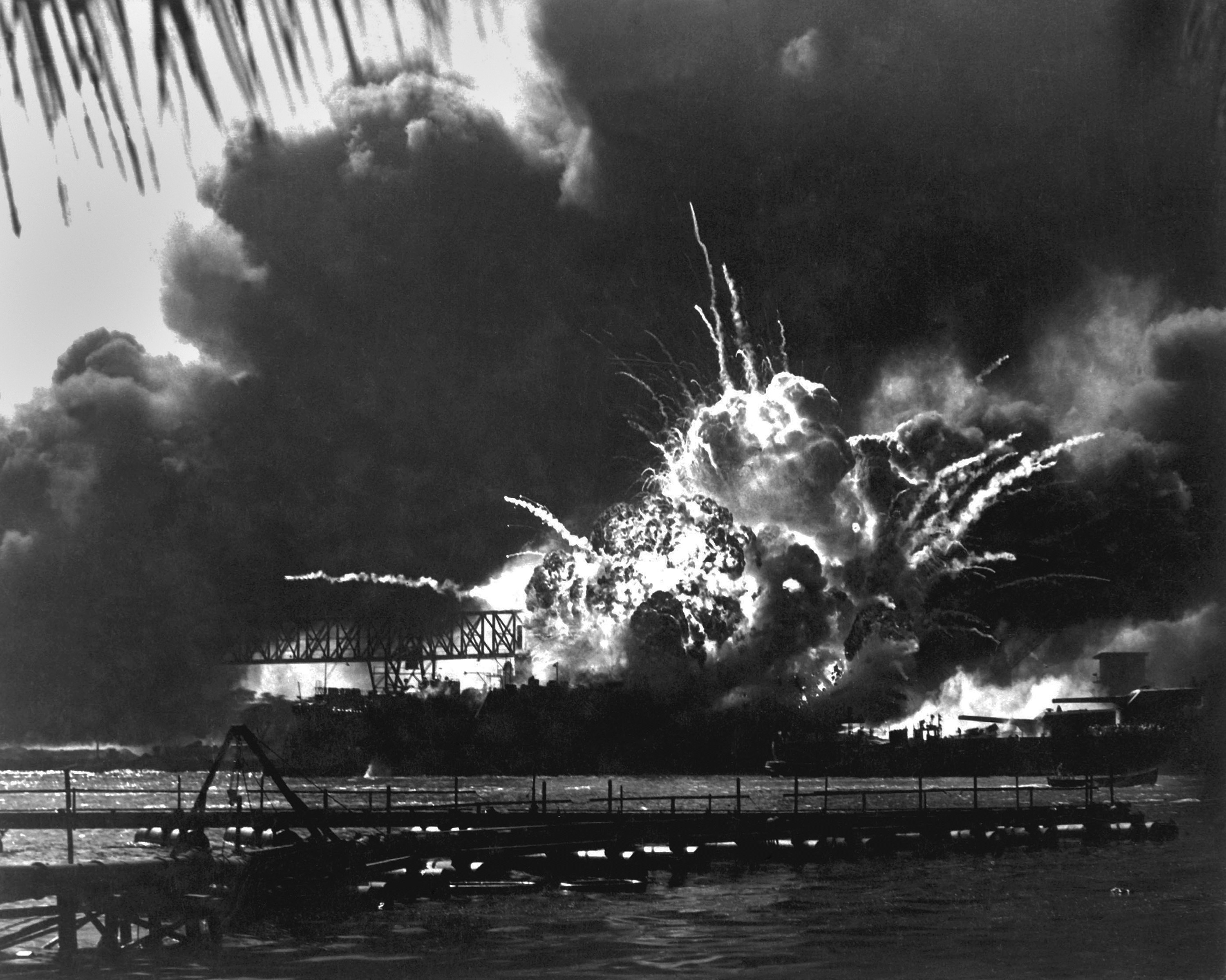
After the attack on Pearl Harbor, the brothers, George, Francis, Joseph, Madison, and Albert Sullivan made a decision that troubled many around them: they enlisted together in the United States Navy. They insisted, however, on one condition—they wanted to stay together. In fact, on their paperwork, they wrote three simple words:
“We stick together.”
The Navy had a policy discouraging siblings from serving on the same ship, but an exception was ultimately made for the five brothers aboard the USS Juneau. But on November 13, 1942, during the brutal Naval Battle of Guadalcanal in the Pacific, the Juneau was struck by a Japanese torpedo and sank.
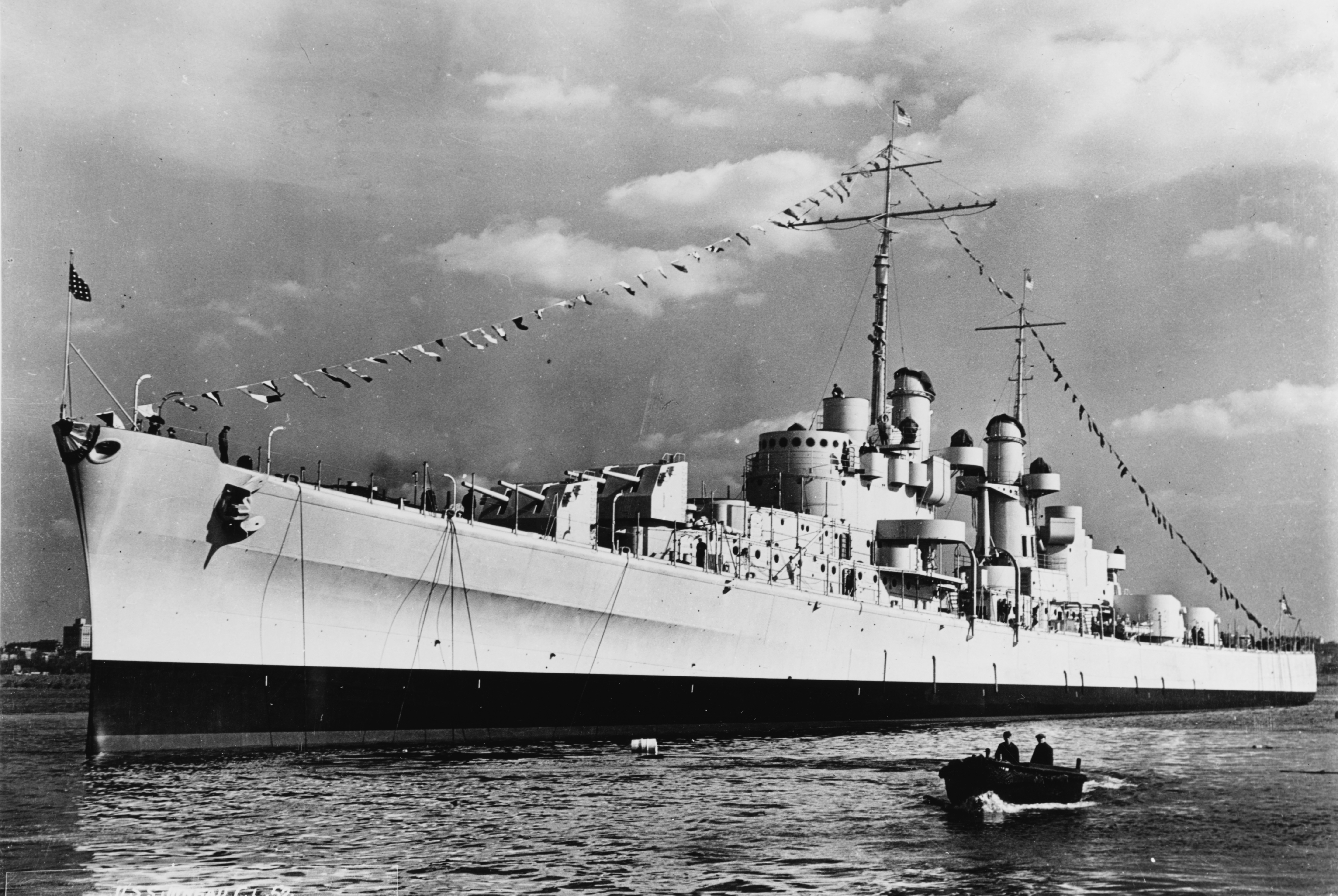
To describe what happened next, it's important to know what happened during those war years.
Enlistees’ families dreaded the sight of military cars turning onto their street. Vehicles painted olive drab green meant the Army, dark gray or blue for Navy. Those were the government sedans that exuded a silent terror. Radios turned down to hear if a car stopped. Blinds eased back for peering eyes to see through. Hearts pounding harder and harder before they would sink.
Everyone knew what it meant when a car slowed down. Worse still, if fatefully placed into park.
Should uniformed men step out and approach the front porch, the harsh reality set in—the ravages of war would shortly breach the threshold of their home.
So it was for the Sullivans in Waterloo, Iowa. Before the Navy official could deliver the news, their father, Tom Sullivan, opened the door to ask:
“Which one?”
The officer regretfully replied:
“All five.”
The bicycle rides, the backyard boxing matches, the wrestling, the noise, the summers—all of it tarnished by the horrors of war.
Alleta, their mother, would lament years later, “If the sacrifice of my five sons could help win this war and save other boys, then they did not die in vain.”
The story of the Sullivan brothers reminds us why sacrifice still carries such weight. Five brothers gone. One family forever altered. A father opening the door, praying the news would only be about one son, to hear the words, “All five.” Moments like that remind us that freedom has always cost somebody something.

I think that’s why the message of the cross still strikes such a nerve. Christianity was built around a stunning announcement: “The Son is dead.” But the story resumed with this acclamation: “He is not here, but He has risen!” (Luke 24:6).
The Scriptures have no shortage of verses underscoring such notions of sacrifice. “It was for freedom that Christ set us free” (Galatians 5:1), and “If we have died with Him, we will also live with Him” (2 Timothy 2:11). “By this we know love, because He laid down His life for us” (1 John 3:16).
Christ’s once-for-all sacrifice may have ended. But for us, the recipients, His benefits forever remain: “Bless the Lord, O my soul, and forget none of His benefits” (Psalm 103:2).
Memorial Day gives Americans pause to remember those who laid down their lives for our freedom. The gospel calls us to remember our Savior who did the same.
Free: Chapter 1 of The Four Faces of Christ (PDF) · Get new articles by email every Thursday


