


A Less Worthy Soul Could Not be Found
December 11, 2025
Read More
As a third-year seminary student in 1999, I knew everything there was to know about God. I mean, you couldn’t name a fine point of theology I wasn’t an expert on.
.png)
So, there I stood, staring at a world map plastered across the foyer wall at Reformed Theological Seminary, in the Great State of Mississippi no less!
Enter Danny Wannall—a friend and fellow student with a bent toward the charismatic movement.
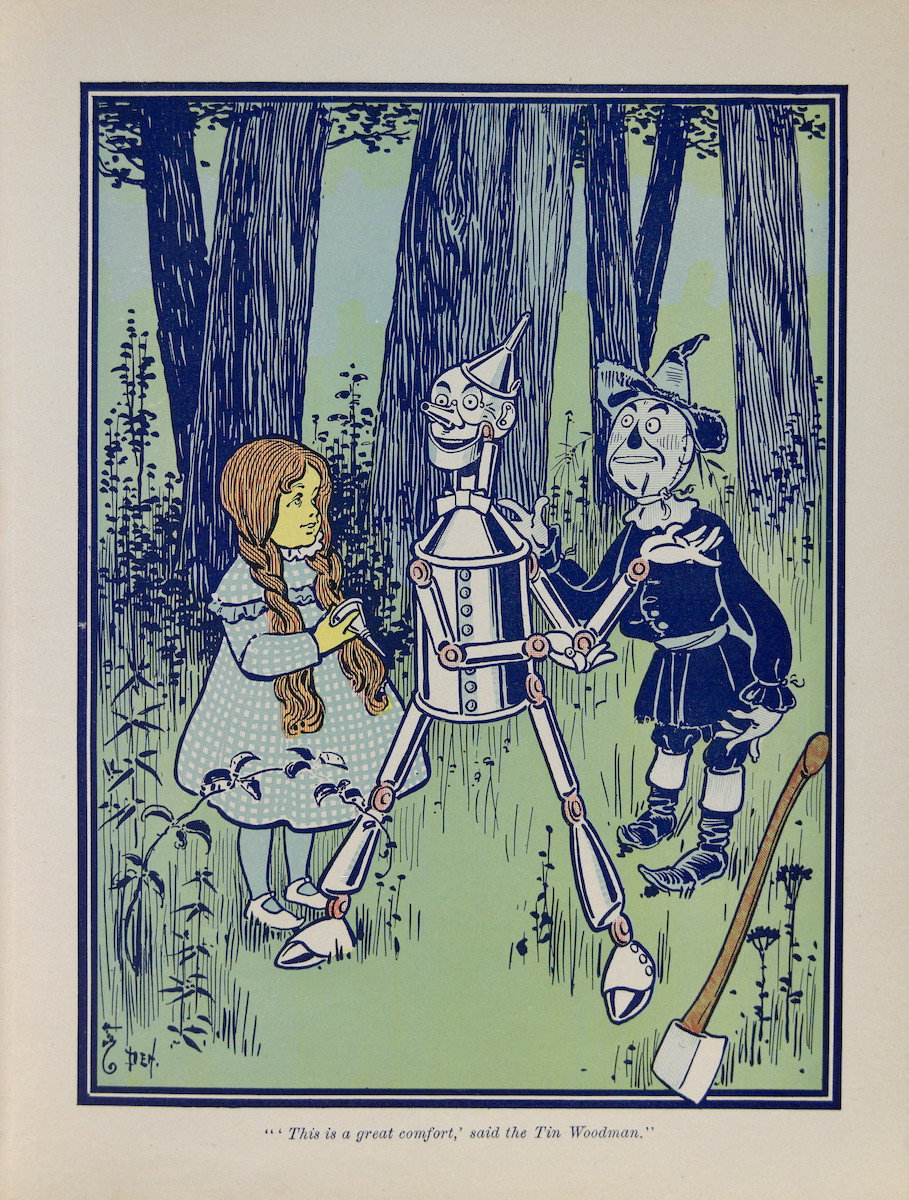
For context, like-minded students—myself included—had carefully crafted straw men in our echo chambers, none more fireproof than attacks on charismatics. Our arguments came across as polished, but they were hollow. Think Wizard of Oz—the tin man, only without the heart.
"So, George, what do you think about charismatic churches?"
His question was simple enough, and the thing was, I couldn’t stand them. I was ready for war.

“First of all, what’s with the hand raising?” I said. “It’s distracting—eyes closed, head tilted back, arms waving around. Bothersome, if you ask me.”
Like dry pine needles catching a spark, Danny lit this initial straw man up.
“Paul—you know, the one who wrote a good portion of the New Testament—said, ‘when you pray, lift up holy hands’” (1 Tim. 2:8).
“And David—you remember how he wrote a good portion of the Old Testament. Well he said, ‘I will bless You as long as I live; I will lift up my hands in Your name’” (Ps. 63:4).
“Have you thought about that?”
“But it’s prideful. ‘Look at me—I’m super spiritual,’” I countered.
“You’re right,” Danny admitted. “Pride can absolutely enter in—like the person thinking, ‘Look at me, watch how spiritual I am with my hands raised.’”
Then he paused.
“But would you not admit, pride can also creep in for the person who refuses to lift their hands… because they’re worried about what others might think?”
Fair point. So, I moved on.
“Repetition. Repetition. Repetition. Praise songs that repeat the same line twenty times. Feels like pagan incantations. Didn’t Jesus warn against ‘meaningless repetition’?”
I thought I had him cornered.
“George,” he said, “when’s the last time you read Psalm 150 with all its ‘praise Him’s?’”
.png)
Good grief.
“It’s wrong to pray for particular gifts of the Spirit, like the gift of tongues,” I said sheepishly because at this stage of the conversation I was losing confidence fast. “God distributes spiritual gifts as He wills… right?”
“Pursue love, yet earnestly desire spiritual gifts…” (1 Cor. 14:1), Danny replied.
“Healings—what about those? We shouldn’t expect God to heal just because we ask Him.”
That one sounded off even as it left my mouth.
That’s when verse after verse and point after point came so fast it left my head spinning.
Suffice it to say, in that foyer, within a span of thirty minutes, not only were my arguments dismantled—embarrassingly so—but I was delivered… well, mostly delivered… from Pharisaism and legalism.
I say “mostly,” because the tendency doesn’t die easy. Today, I am fond of, and more similar to, my holiness friends today than before. But legalism can creep back in and rear its ugly head in other areas if I’m not careful. That’s why I call it active recovery.
Peter can serve as an excellent case study here. When it came to spending time with Gentile Christians, he flipped like a pancake—one day rubbing elbows with them, the next day they got stiff-armed. It became so obnoxious Paul had to intervene—calling Peter out to his face: “If you, being a Jew, live like the Gentiles and not like the Jews, how is it that you compel the Gentiles to live like Jews?" (Gal. 2:14).
We all have convictions we cannot abandon—and shouldn’t. I’ll die on hills of majors all day long. No compromises and without question. But there are also preferences—between traditions—where we can agree to disagree.
Look, I’m fully convinced, every person is a 10 at something. That’s pretty cool to see people as such. Right? In the same way, every Christ-centered church or denomination has strong suits we can not only appreciate, but even learn from. Right?
And for anyone who believes your church is a 10 out of 10 on pretty much everything, to the exclusion of everyone else, do the rest of us a favor—go back to the beginning of this blog and start again.
Free: Chapter 1 of The Four Faces of Christ (PDF) · Get new articles by email every Thursday


