


Ambush on Thunder Road
October 29, 2026
Read More

At the break of day on November 9, 1620, the 102 passengers on the Mayflower spotted Cape Cod. They had been at sea about 65 days. William Bradford was on board and later wrote the history of Plymouth Colony. Once they were brought safely to land, he said that "they fell upon their knees and blessed the God of Heaven who had brought them over the vast and furious ocean."
Then Bradford stops and reminds his readers what they were kneeling on. They had "no friends to welcome them nor inns to entertain or refresh their weatherbeaten bodies; no houses or much less towns to repair to." A New England winter was bearing down on them, no less. And the first thing they did was thank God.
As Charles Spurgeon observed, "Any man can sing to the praise of a God who gives a plenteous harvest." Sure, anybody can do that. But Spurgeon went on: "He is the skillful singer who can sing when there is not a ray of light by which to read." The Pilgrims gave thanks before they had a roof over their heads.
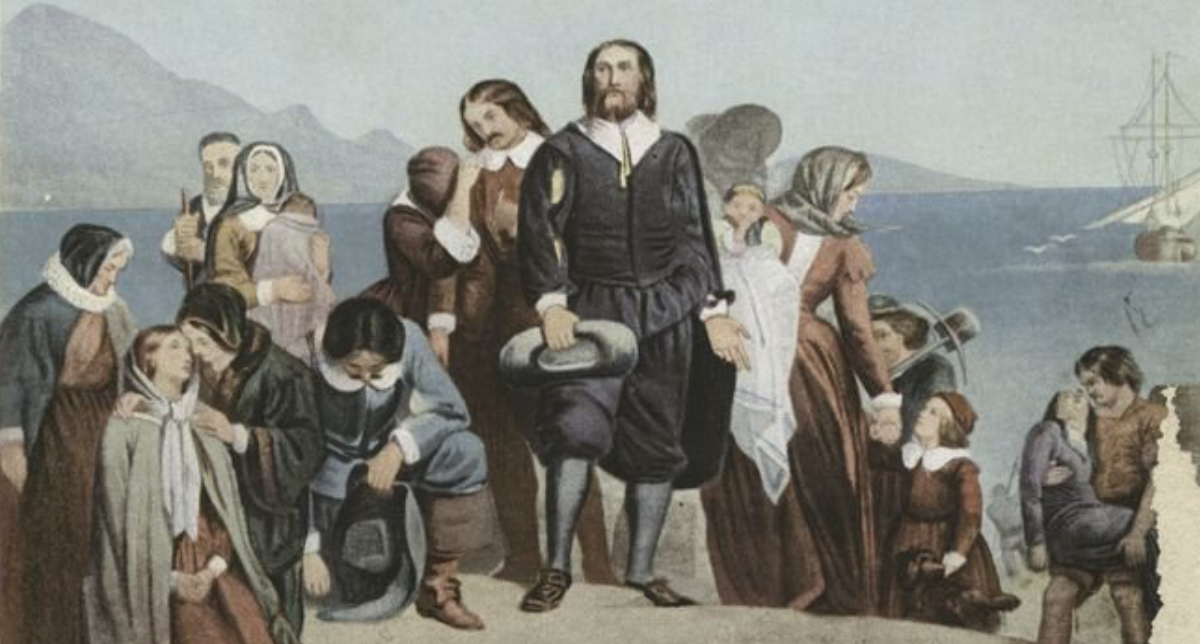
It got worse. Scurvy and other diseases from the long voyage took two or three of them a day at times. Within two or three months half of them were dead, most in January and February. Bradford put it plainly: "of 100 and odd persons, scarce 50 remained."
At the worst of it, only six or seven were healthy enough to care for everybody else. Bradford calls them "sound persons." They "fetched them wood, made them fires, dressed them meat, made their beds, washed their loathsome clothes, clothed and unclothed them." And they did it "willingly and cheerfully, without any grudging in the least, showing herein their true love unto their friends and brethren." Then he adds, "A rare example and worthy to be remembered."
Two of the seven were William Brewster, their church elder, and Myles Standish, their captain. Bradford himself was one of the sick men they nursed. He wrote that he and many others were "much beholden" to them.
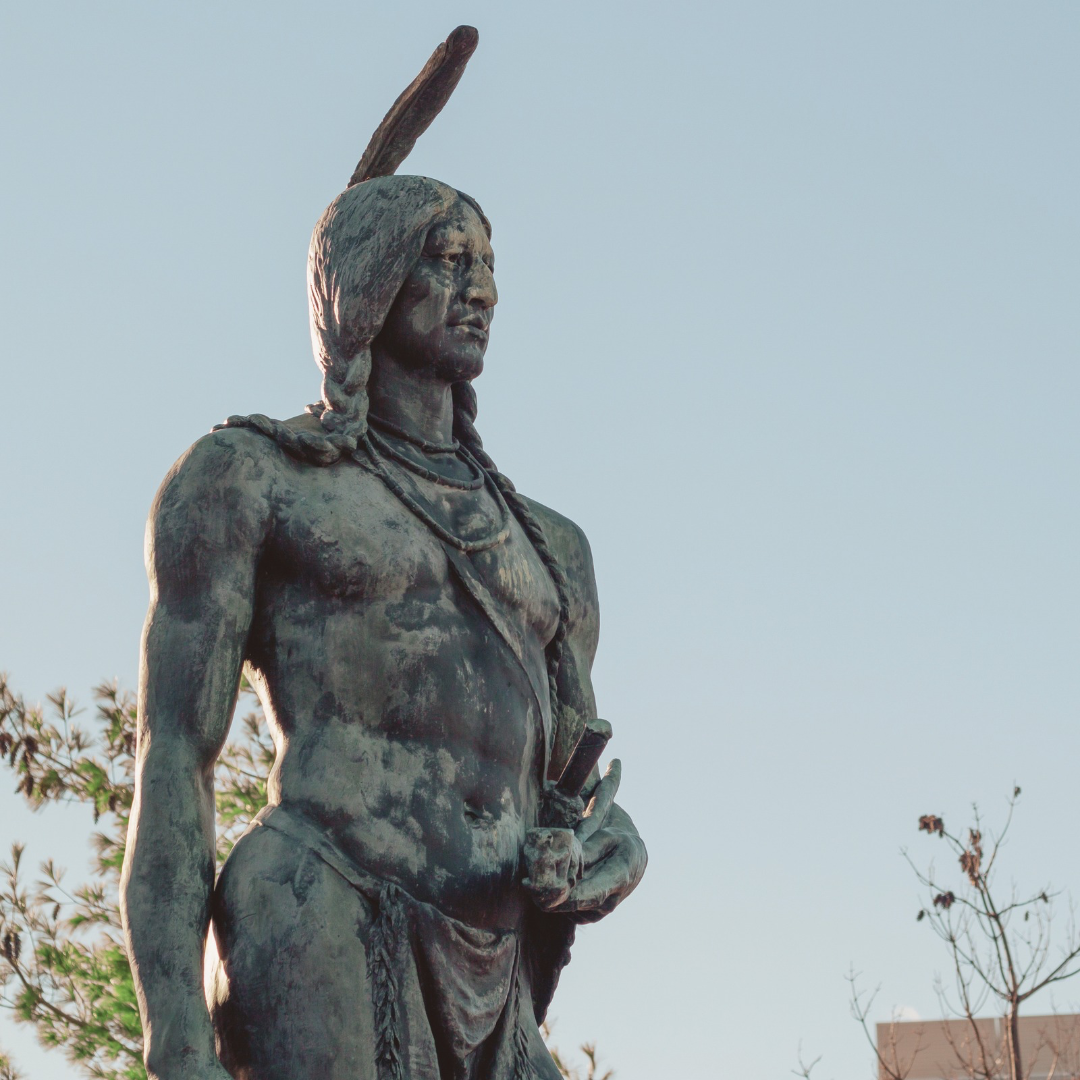
Fast forward to the fall of 1621. Despite more than 300 days of unbearable setbacks, and after burying half of their company, the long-awaited and desperately needed harvest finally came in. Massasoit, the Wampanoag chief, showed up with about ninety of his men, and they feasted for three days. His men went out, killed five deer and brought them back to the governor. That December, Edward Winslow wrote home to England: "Although it be not always so plentiful as it was at this time with us, yet by the goodness of God, we are so far from want that we often wish you partakers of our plenty."
Winslow wrote "so far from want" with half his friends in the ground. Let's be honest; would you and I have written that letter? I cannot fathom I would.
When Bradford looked back on those years, he pointed his readers to Psalm 107. Go read it. Verses 23 to 30 find sailors caught in a storm, at their wits' end.
Then they cried to the LORD in their trouble, And He brought them out of their distresses. He caused the storm to be still, So that the waves of the sea were hushed. Then they were glad because they were quiet, So He guided them to their desired haven.
Psalm 107:28-30
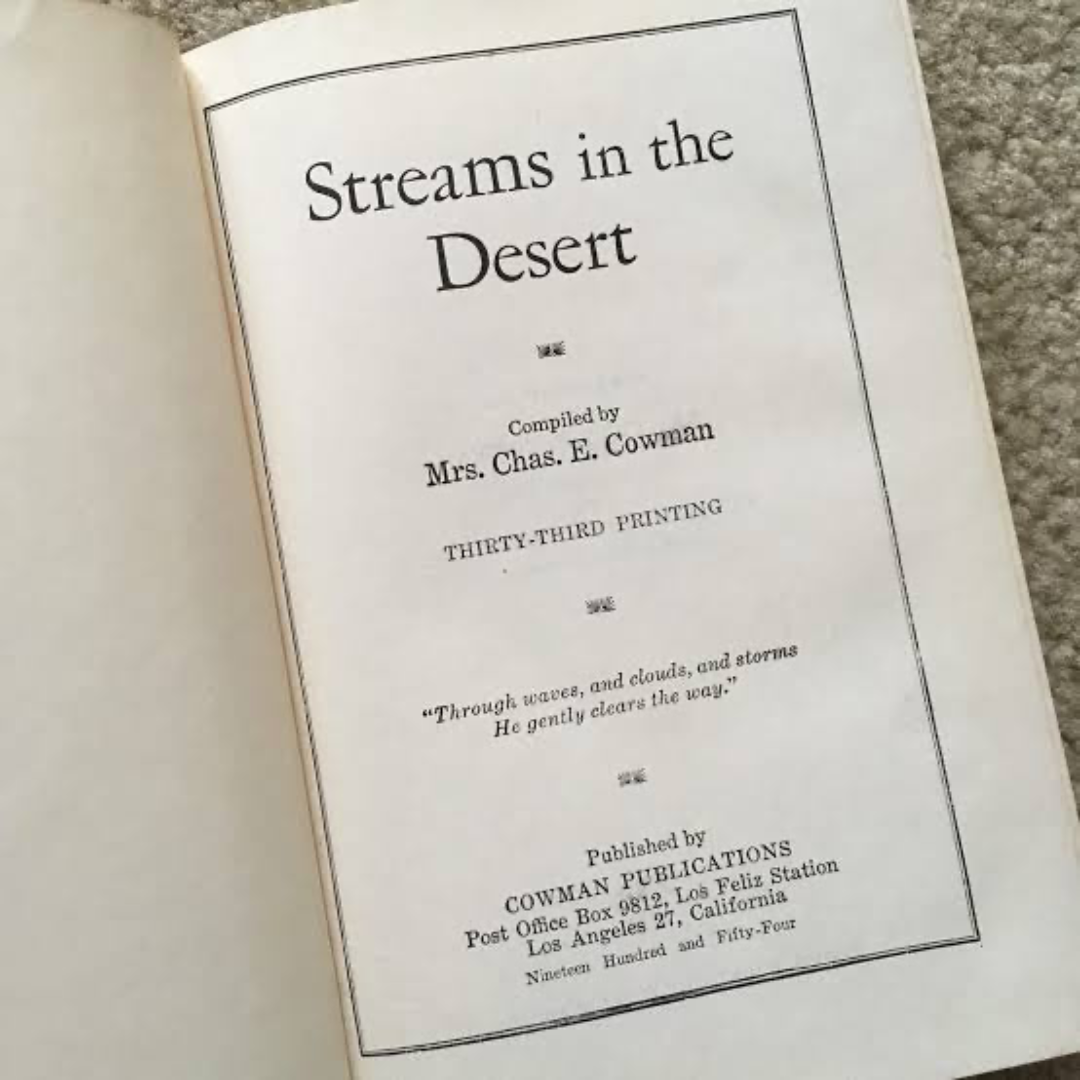
The old devotional Streams in the Desert calls sorrow "God's plowshare that turns up and subsoils the depths of the soul, that it may yield richer harvests." On that same page is a story from Henry Clay Trumbull about a poor man who lost "home and mill, all the poor man had in the world" to a flood. After the water went down, he stood there "broken-hearted and discouraged," and that's when "he saw something shining in the bank which the waters had washed bare. 'It looks like gold,' he said. It was gold. The flood which had beggared him made him rich."
Maltbie Babcock, the Presbyterian pastor who gave us "This Is My Father's World," said it in four short lines: "Where grows the golden grain? Where faith? Where sympathy? In a furrow cut by pain."
Across the ocean, Germany had a dark winter of its own. Martin Rinkart was a pastor in Eilenburg, Saxony, during the Thirty Years' War. Refugees packed into the town, and in 1637 the plague hit. The other pastors either died or left, and Rinkart was the one left to bury the dead, as many as 50 in a single day and more than 4,000 that year. One of them was his own wife. Around 1636 he had written a table prayer for his children. We still sing it: "Now thank we all our God, with heart and hands and voices."
Thanksgiving is three weeks from today. I suggest you don't wait until Thanksgiving Day. Pick the hardest thing in front of you right now, before it gets fixed, and thank the Lord in it. Do it out loud with your family if you can. Will you do it this week?


