


What Does It Mean That Jesus Is the Son of God?
October 15, 2026
Read More
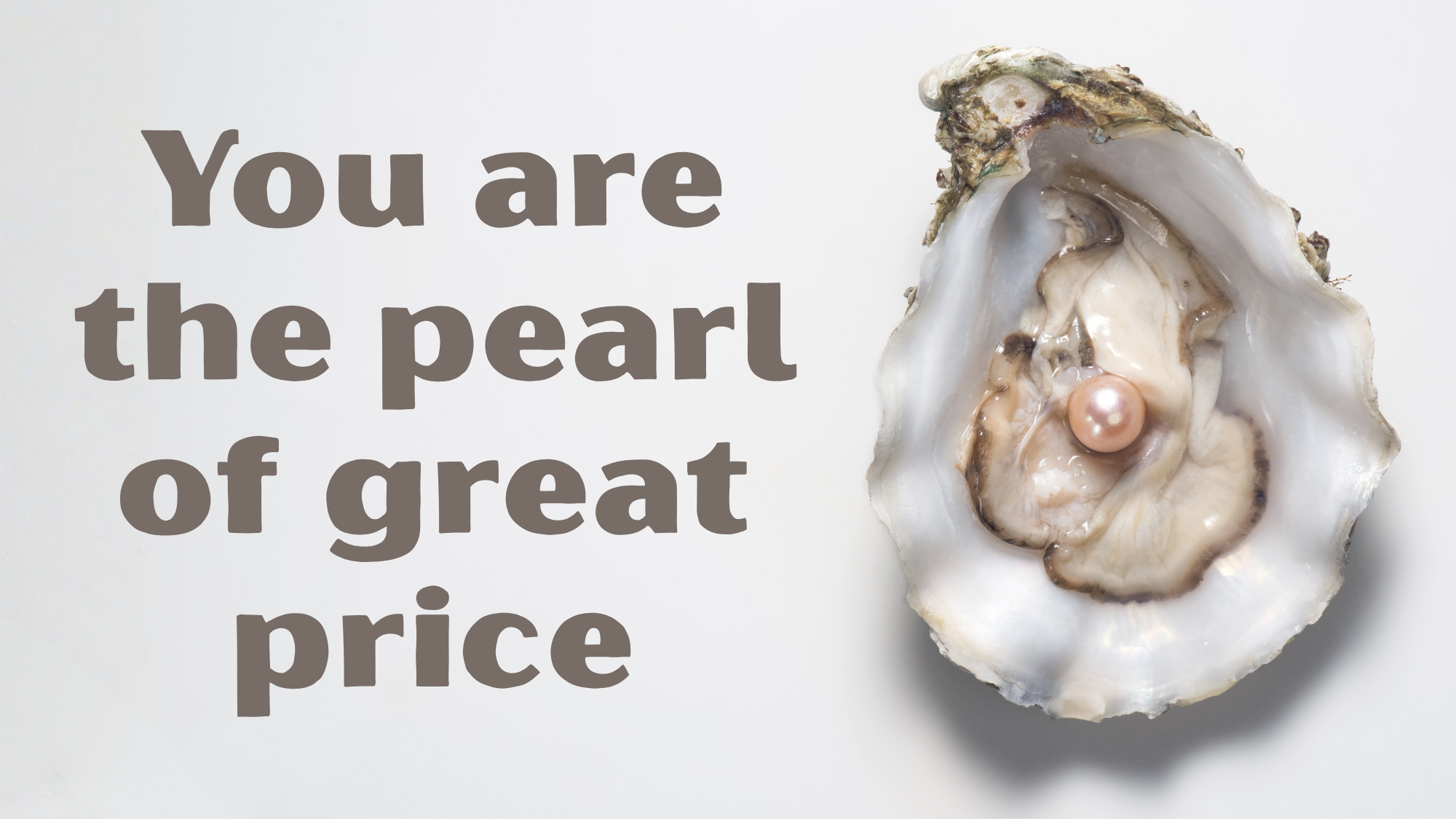
The most common interpretation of this parable has the roles backwards.
You are not the merchant. Jesus is the merchant. You are the pearl He sold everything to buy.
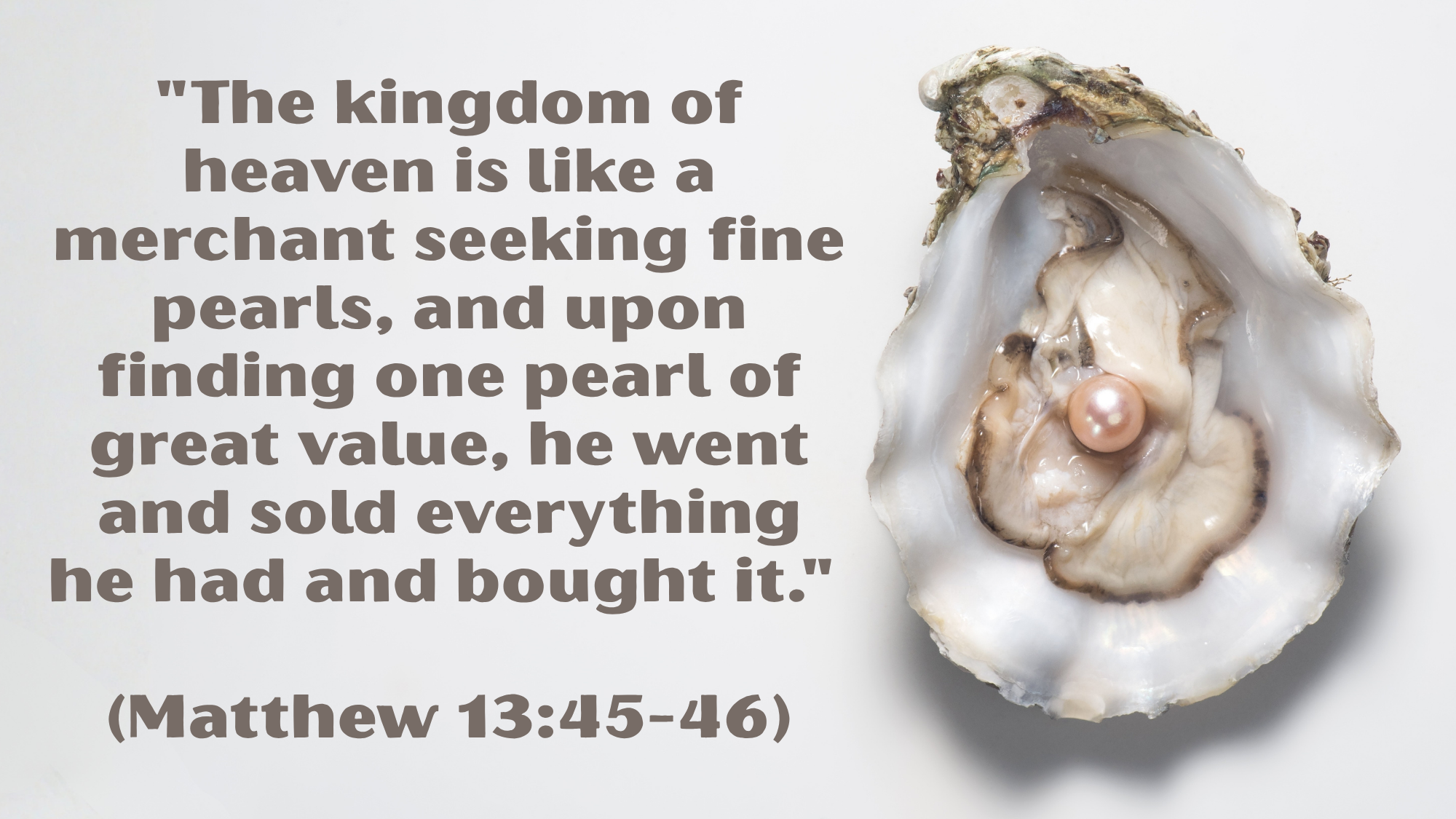
Here is the parable in full. It's two verses long:
Ask around — or open the overwhelming majority of Bible commentaries — and the answer runs something like this:
You are the merchant. Christ, or the Gospel, is the pearl of great value. Your task is to seek Him out at all costs, even if it means abandoning everything at your disposal. After all, who wouldn't gladly forfeit the riches of this world for the immeasurable riches of Christ? To refuse would be foolish.
Now, parts of that are true enough. Christ is worth more than anything you own. Following Him does cost you everything.
But that is nowhere close to what Jesus was actually describing here. And two questions bring the whole reading down.
First: what do you own that could purchase the Gospel?
Go through the inventory. What do you possess that could be handed across a counter in exchange for the invaluable Gospel of Jesus Christ?
Nothing. Not a thing. There is no sum, no sacrifice, no accumulated righteousness that constitutes a purchase price. If you're the buyer in this parable, you're a buyer with empty pockets standing in front of something priceless.
Second: who is seeking whom?
Jesus answered it Himself just a few chapters later.
"For the Son of Man has come to save that which was lost… If a man has a hundred sheep, and one of them has gone astray, does he not leave the ninety-nine on the mountains and go and search for the one that is straying?" (Matthew 18:11-12)
Read the direction of travel in that sentence. The sheep didn't organize a search party for the shepherd. The shepherd went out after the sheep.
That is the entire logic of the Gospel, and it doesn't reverse itself for two verses in Matthew 13.
Beyond the shadow of a doubt, Christ Jesus Himself is the Merchant.
Now look at what the parable is telling you about the price He paid.
Before He appeared as one of us — before the Christmas story — He was the Crown Jewel of the cosmos, with the entire created realm under His dominion. Everything that exists, His.
And He sold it. All of it.
"Although He existed in the form of God, did not regard equality with God a thing to be grasped, but emptied Himself, taking the form of a bond-servant, and being made in the likeness of men. Being found in appearance as a man, He humbled Himself by becoming obedient to the point of death, even death on a cross." (Philippians 2:6-8)
He "went and sold everything He had."
Then He bought the pearl.
You are the pearl of great value. The Merchant went looking, found you, liquidated the riches of heaven, and paid for you as an individual with His own life.
Not humanity in the abstract. Not the church as a concept. One pearl. He came for you the way that shepherd went out for the one sheep — leaving ninety-nine behind on a mountain to go get it.
That's why Matthew, of all the Gospel writers, is so keen for us to perceive ourselves the way the Savior beholds us. Not in a self-glorifying sense. The apple of His eye. A fine piece of artwork. A masterpiece.
Or better yet — a fine jewel.
Everything about how you get out of bed in the morning.
If you've been reading this parable the other way your whole life, there's no need to feel humiliated by that. But there is every reason to be humbled by it. The message has to change you, or you've only traded one interpretation for another.
Here's the change it ought to make.
A man is never more driven to labor for the Kingdom of God than when he realizes his worth in it.
Think about how backwards most of us have it. We work in order to establish that we're worth something to God. We serve to build a case. We keep score. And it exhausts people, because you cannot earn a verdict that has already been rendered.
But if the Merchant already went out, already found you, already sold everything, and already completed the purchase — then the verdict is in, and it's not pending your performance.
Good works flow out of your identity in Christ. They don't create it.
That single sentence rearranges the Christian life.
You're not laboring toward a status. You're laboring out of one.
Think about that good news as you go throughout your day!


